


British farmers fear flood of South American beef after EU rule change
British farmers fear flood of South American beef after EU rule change

Patrick GalbraithThu, August 6, 2026 at 8:50 AM UTC
0
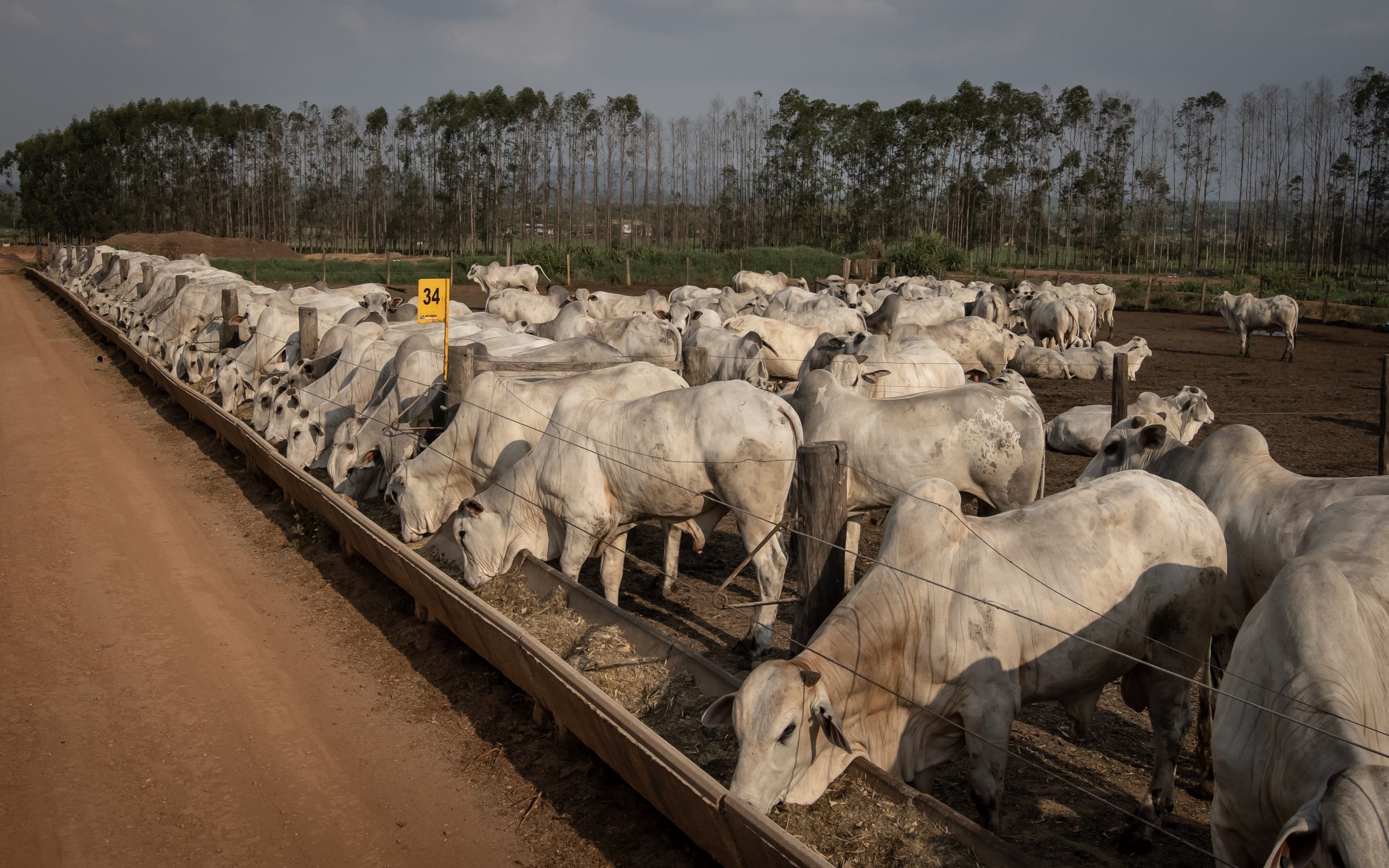
The UK has a quota of just 11,000 tons of Brazilian beef per year that can be imported at a low tariff - Jonne Roriz/Bloomberg
Britain faces a glut of cheap Brazilian beef once it is banned by the EU, farmers claim.
Farmers in the UK fear being undercut as Brussels prepares to block Brazilian beef from early September, with producers from South America expected to target Britain with increased shipments.
The EU’s new import rules will ban meat that is treated with antibiotics, calling antibiotic resistance “one of the biggest public health threats of our time”. Brazil has failed to give guarantees that its exports will comply with the legislation.
South American cattle are often intensively farmed in feedlots, where the cattle are fed soy so that they put on bulk quickly.
Tony Goodger, of the Association of Independent Meat Suppliers, said: “This is quite a worry for farmers as they fear being undercut and they are under so many other pressures at the moment.”
Brazilian farmers are expected to set their sights on the UK after the EU banned antimicrobials in livestock, which are used in some countries to accelerate weight gain by reducing gut bacteria in cattle.
These bacteria consume nutrients from cattle, but if they are killed by antibiotics, there is more energy left for the livestock to help them grow.
However, stronger bacteria can survive and multiply, then potentially spread to humans.
Tom Bradshaw, the president of the National Farmers Union, said: “A key responsibility of government is to ensure that products entering the UK are safe and do not pose a human health risk.
“Unless there is full confidence that Brazilian meat has been produced responsibly, the Government should take the same precautionary approach as the EU and ban the import of Brazilian products.”
Advertisement
Rob Woodhouse, who farms Aberdeen Angus cattle at Hillhouse Farm in north Norfolk, said: “We obviously produce beef here to a very high standard and it has low food-miles if you buy locally.
“The worry is that if we start importing more, you’ve got a huge amount of food miles and a product being farmed to lower standards.”
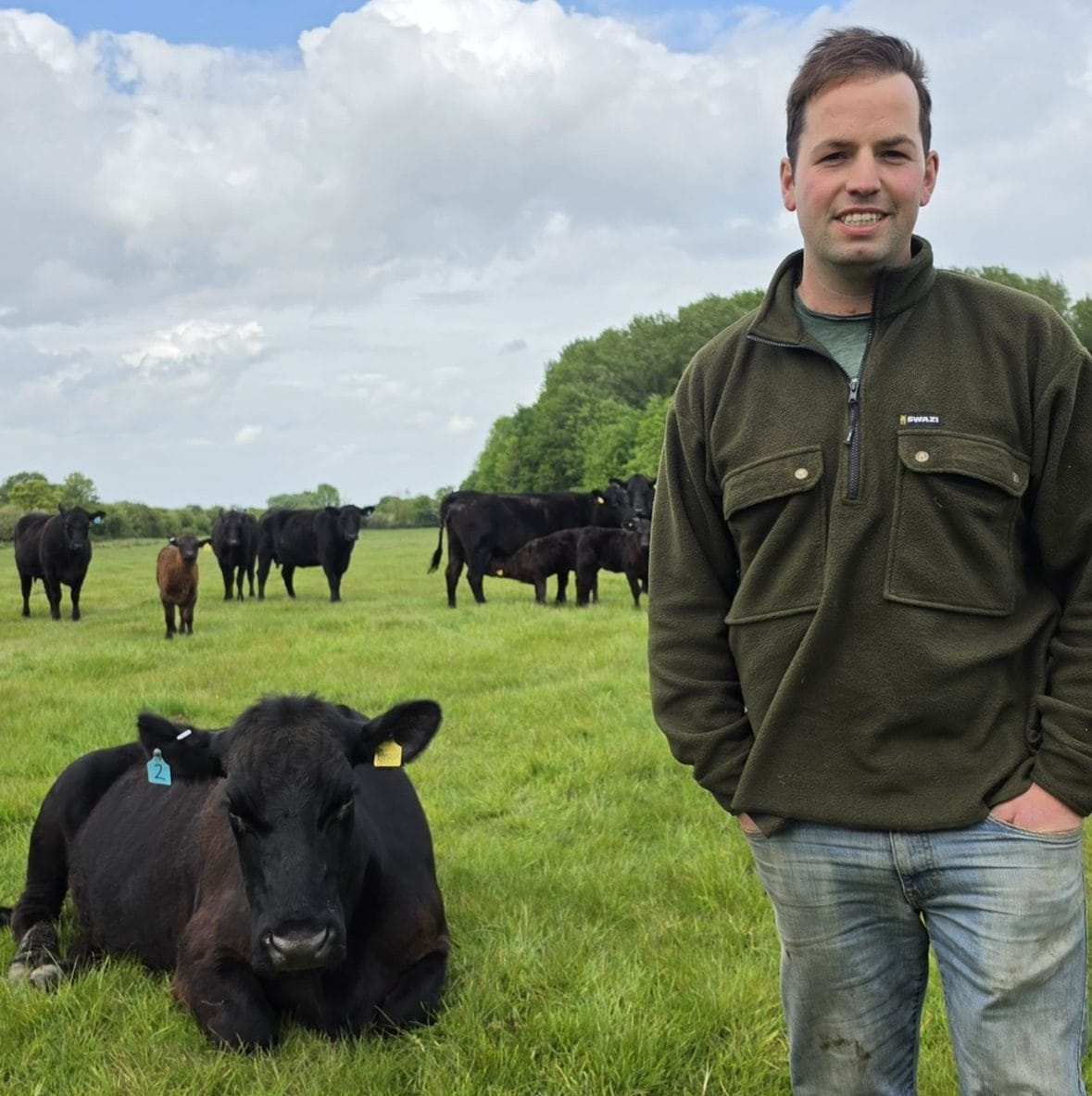
Rob Woodhouse, a Norfolk farmer, says buying British is more environmentally friendly
Cheap imports are just one threat facing Britain’s cattle farmers, who are also running out of fresh grass for their herds amid the ongoing drought.
Analysis by the Energy and Climate Intelligence Unit suggests that grass growth is 43pc lower than normal at this point in the summer.
Mr Goodger said Brazilian beef could be even cheaper than Australian cuts, which already squeeze the margins of domestic producers.
He said: “We will see a lot of Brazilian beef coming to market over the Christmas period.”
The UK has a quota of just 11,000 tons of Brazilian beef per year that can be imported at a low tariff. After that, the tariff rises to around £2,500 per ton. However, the low tariff cap is often breached by exporters when demand is high.
As part of the new rules, Brussels is also set to crack down on imported chicken dosed with antibiotics, which could also prompt a flood of overseas poultry imports.
A spokesman for the Department for Environment, Food and Rural Affairs said: “We are actively working with industry and Brazilian authorities to assess any risks posed by Brazilian beef imports and will always act to protect our farmers.
“This builds on our existing, world-leading import controls which are in place to protect animal and public health.”
The Telegraph understands that no decision is expected for several months.
Source: “AOL Money”
