


Impressionism is back in vogue – just ask the super-rich
Impressionism is back in vogue – just ask the super-rich

Colin GleadellTue, October 6, 2026 at 1:00 PM UTC
0
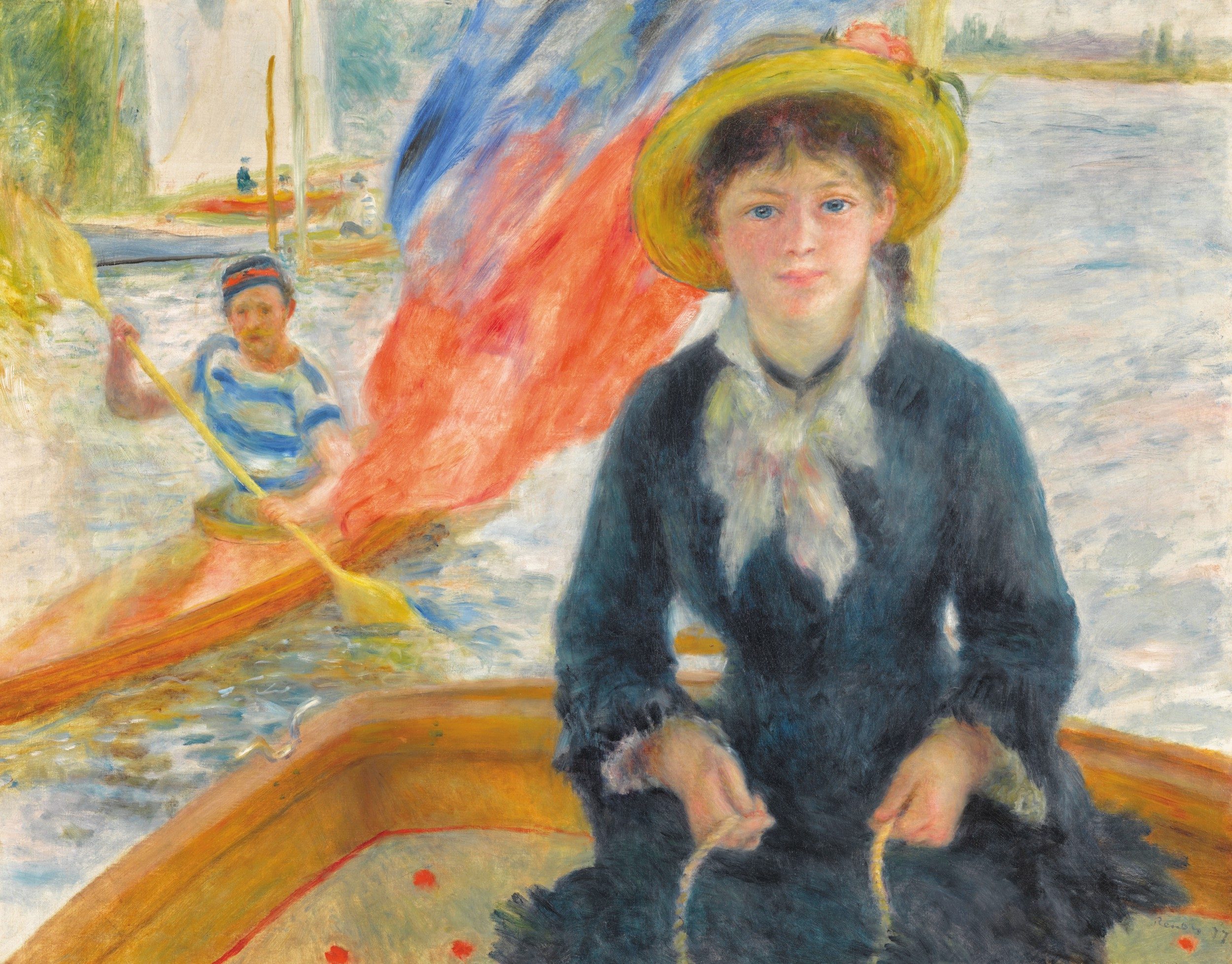
Pierre-Auguste Renoir’s ‘En Canot (Jeune fille à la barque)’ is among the Impressionist works coming to market this autumn - Courtesy of Sotheby's
After a three-year lull, the art market is seeing a return to more buoyant times, with a tidal wave of highly prized single-owner collections for sale that reaches fever pitch this autumn.
There has already been much excitement concerning the most valuable of these – the $450m (£335m) Blaquier-Arrieta Collection of 12 Impressionist and Post-Impressionist masterpieces. One of Van Gogh’s last paintings, the glowing Châtaigniers en fleurs, 1890, is estimated to fetch a record $180m (£136m), and Cézanne’s statuesque Arlequin, 1888-1890, around $120m (£91m). Other succulently coloured, fresh-to-market works by Gauguin, Derain and Toulouse-Lautrec are in the mix.
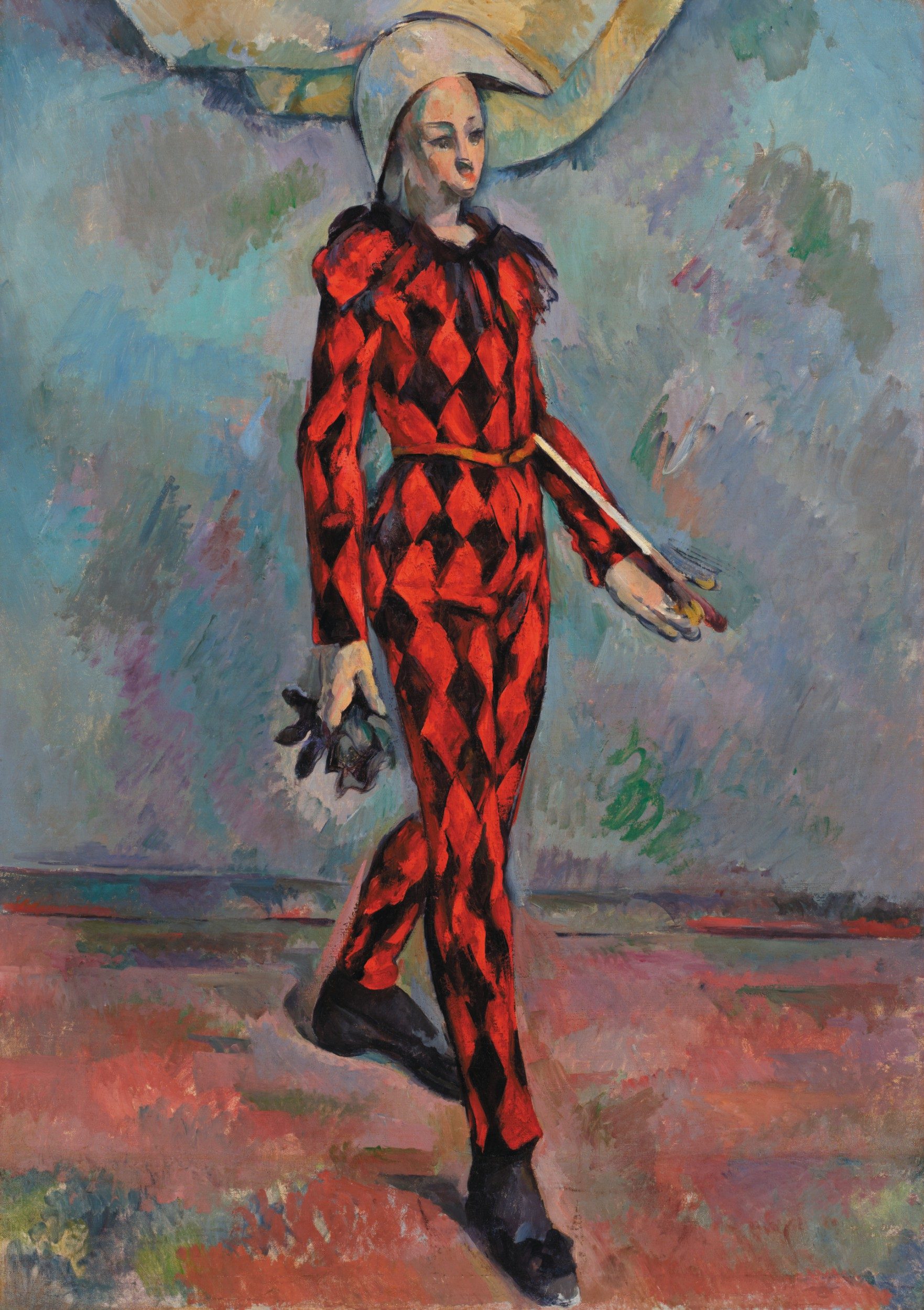
Paul Cézanne’s ‘Arlequin’, 1888-90, is estimated to fetch around $120m (£91m) - Courtesy of Sotheby's
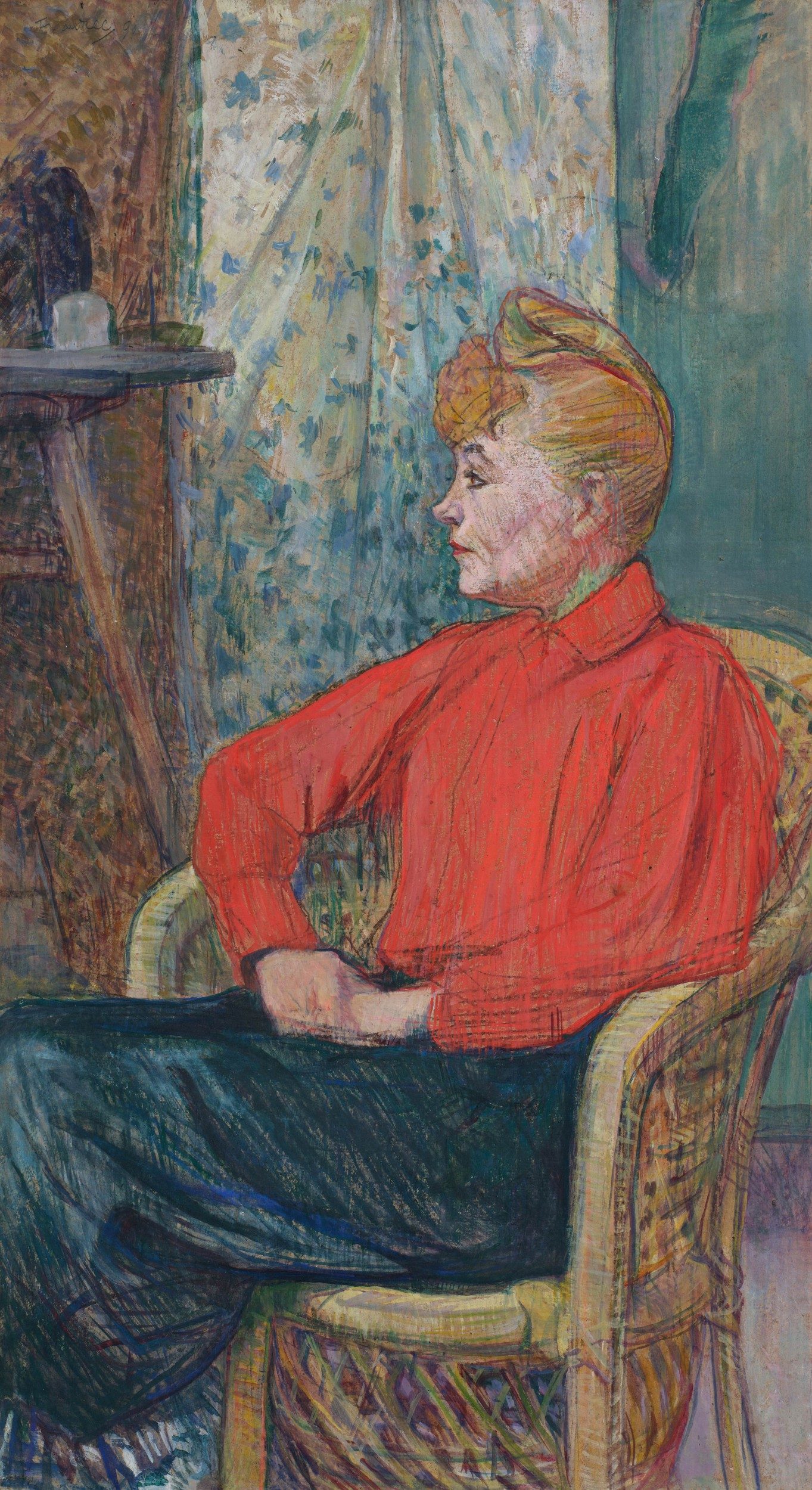
Toulouse-Lautrec’s ‘Femme assise de profil vers la gauche’, 1890, is among the works in the Blaquier-Arrieta Collection - Courtesy of Sotheby's
The Argentine Blaquier family is one of the wealthiest in South America, with an $840m (£634m) fortune derived from the sugar-producing company, Ledesma. Their collection has largely been kept under lock and key, unseen in public since they used to shop in London with the Lefevre Gallery and Wildenstein & Co in the 1970s. The parents, Nelly Arrieta de Blaquier, who died in 2020, and her husband, Carlos Pedro Blaquier, who died in 2023, left five children and a substantial art collection. The socialite Delfina Blaquier, who rubs shoulders with Harry and Meghan on social media, is a cousin.
Can Blaquier follow in the footsteps of the $1.5bn (£1.14bn) Paul G Allen Collection, sold in New York in 2022 with its nine-figure prices for works by Seurat, Gauguin, Cézanne and Van Gogh, or even this year’s £296.3m Joseph Lewis Collection at Sotheby’s, which was the most valuable single-owner collection ever sold in the UK? The build-up certainly seems positive.
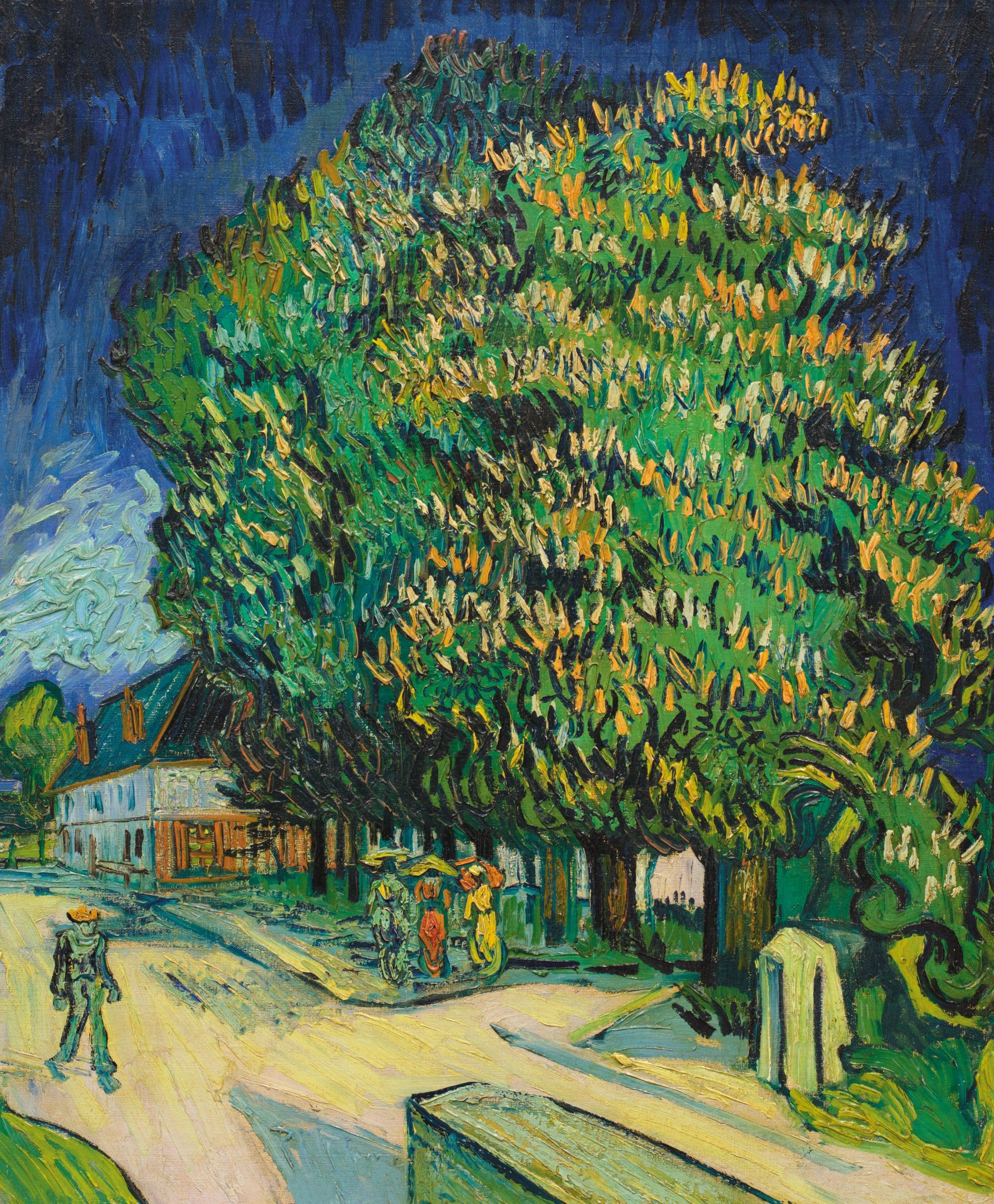
Vincent van Gogh’s ‘Châtaigniers en fleurs’, painted in Auvers in May 1890, is estimated to fetch a record $180m (£136m) - Courtesy of Sotheby's
In London this month, we have the sale of Peter Simon’s collection of modern and contemporary art, valued at between £86m and £126m. It could be Christie’s most valuable single-owner sale in London ever. Simon, the Monsoon owner, started collecting Modern British art, and his examples by David Bomberg, Peter Lanyon, Ben Nicholson and Francis Bacon, acquired with the advice of Ivor Braka, a private dealer, are of the highest order. He then spread his wings internationally, acquiring masterpieces by Picasso, Mondrian, Miró and Léger, before embracing contemporary art with Braka’s gallery-owning friend, Thomas Dane – think Cecily Brown, Peter Doig and Hurvin Anderson. Simon, 77, says he wants to move on, but this will be a hard act to follow.
In Paris a week later, the clock shifts backwards when a sequence of sales led by the famed Durand-Ruel family collection at Christie’s (estimate €30-43m/£25-37m) pushes the boat out for Monet and the Impressionists. Paul Durand-Ruel supported the Impressionists, and prime examples by Monet, Renoir, Sisley and Pissarro are all in the sale, closely followed at Sotheby’s by the latest tranche of works from the Schlumberger Collection (€45-65m/£38-55m), which has been enlivening sales on both sides of the Atlantic for more than 10 years.
Jeanne Schlumberger had a distinctive taste for late Monets, which she bought from the artist’s family in the late 1950s, when no one else saw these near-abstract paintings as precursors of Abstract Expressionism rather than the final daubs of an old man battling with blindness. The sale is led by a rare, large example from Monet’s series of Iris paintings from 1924-1925, which is estimated at €20-30m (£17-25m), the highest estimate for any work of art offered for sale in France.
Advertisement
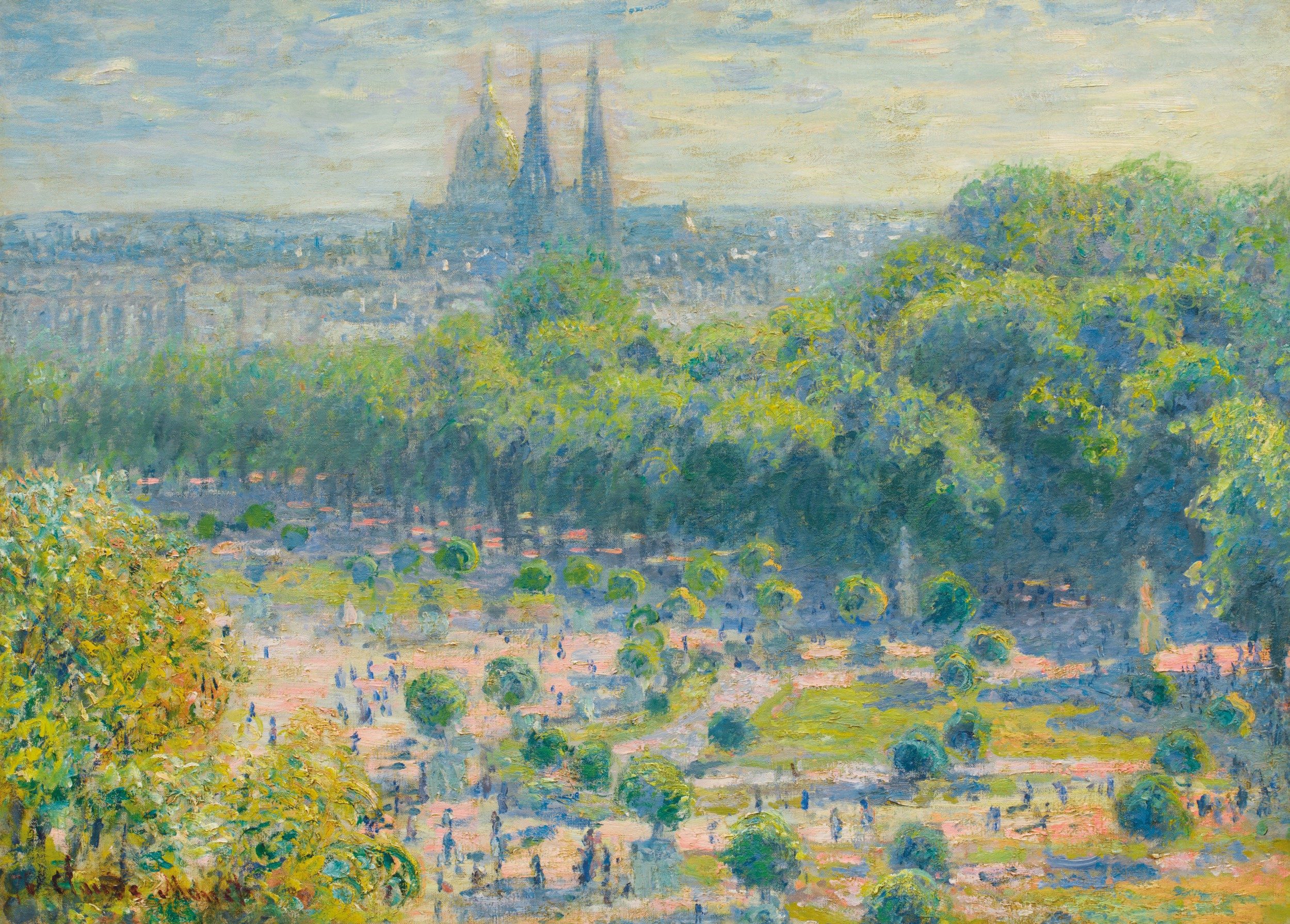
Claude Monet’s ‘Le Jardin des Tuileries’, 1876, depicts the Parisian gardens at the height of the Impressionist movement - Courtesy of Sotheby's
In New York in November, old age and death conspire to drive the market. At Christie’s, there is the collection of Herbert Lust, an investment banker who died this year just short of his 100th birthday, leaving a $50m (£38m) modern and contemporary art collection rich with work by Giacometti, Calder and Frank Stella. Meanwhile, at Sotheby’s, there is the late oil tycoon Armand Hammer’s collection of Impressionists – Degas, Renoir, Pissarro and Cassatt – valued at $25m-$37m (£19-28m), and real estate developer Richard Hedreen’s $90m (£68m) collection of contemporary art – de Kooning and Lichtenstein – mixed with Old Masters.
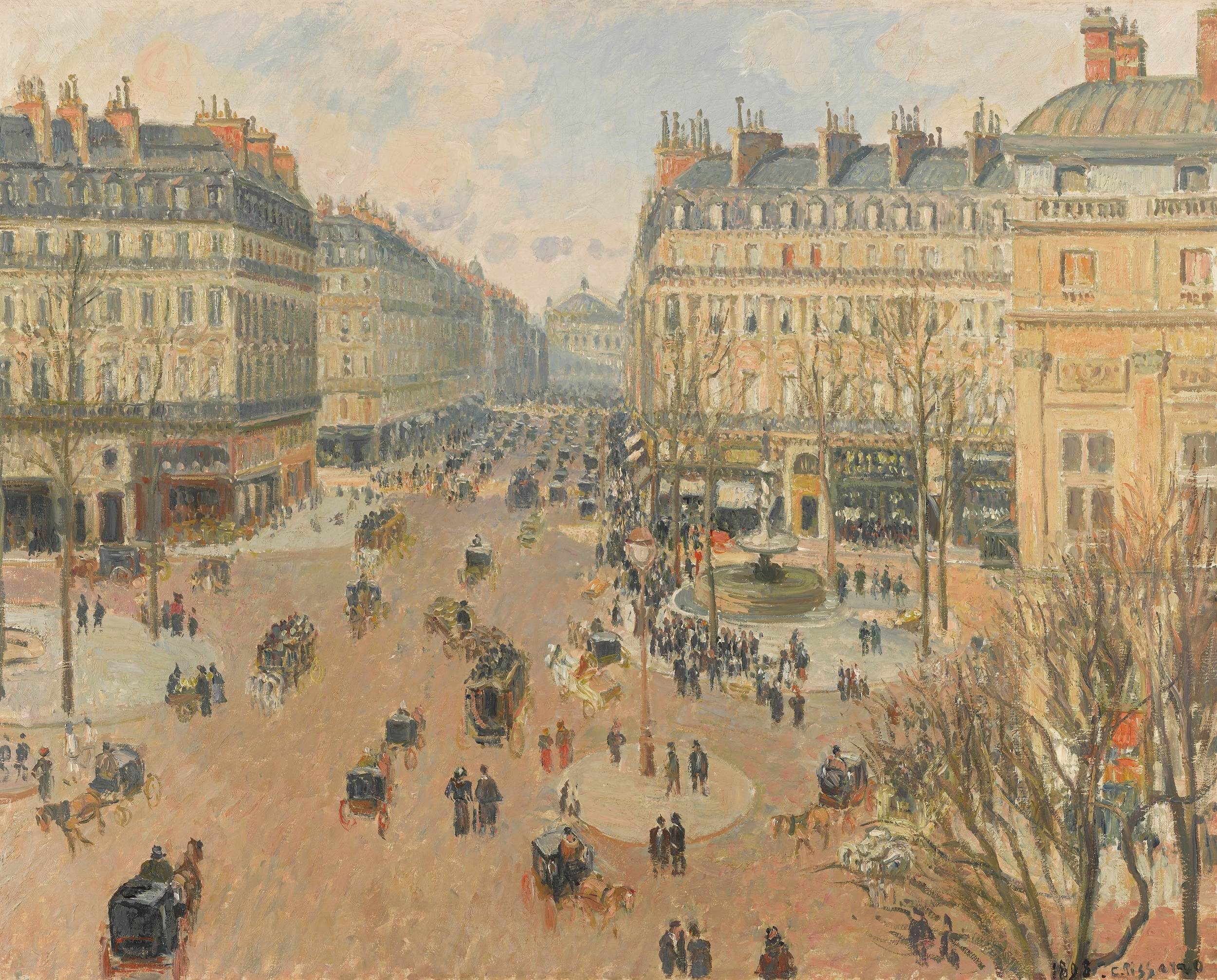
Camille Pissarro’s ‘La Place du Théâtre-Français et l’avenue de l’Opéra, soleil d’après-midi en hiver’, 1898 - Courtesy of Sotheby's
Will these sales confirm the sustained demand for the best Impressionist and Post-Impressionist art seen in recent sales, against predictions that the younger generation will not inherit the tastes of the older? A positive Bank of America chart shows that auction sales of Impressionist and Modern art rose by 133 per cent year-on-year in the first half of this year. Sotheby’s shares that optimism by guaranteeing the Blaquier collection, so even if no one bids, Sotheby’s buys it.
According to Bloomberg, nearly $1tn (£758bn) in art is expected to change hands in the next 10 years as part of what has been described as the “great wealth transfer”. Here we are in the thick of that process, during which the big winners look like being the Impressionists.
British art bucks the market
Despite the premonitions of doom and gloom at the lower end of the market, the British Art Fair at the Saatchi Gallery was “surprisingly upbeat”, said exhibitor, Christopher Kingzett. A former director of Agnew’s, Kingzett decided he would focus on the early 20th-century Camden Town Group artists, a strategy which paid off with the early sale of a sombre yet sparkling painting of a seated woman, The Visitor, 1905-1906, by Walter Richard Sickert, with an asking price of £95,000, and a glowing little Harold Gilman, Snargate Rectory, 1910-1911, priced at £38,000.
Although these were not record prices, there were numerous sales at the fair that exceeded auction records for the artists.
Maeve Gilmore was best known in her lifetime as the wife of Mervyn Peake, author of the Gormenghast trilogy. Her home in South Kensington was crammed with her murals and painted furniture. She never achieved much recognition as an artist until the enterprising Studio Voltaire in Clapham mounted a show through her estate in 2022, followed by the Alison Jacques gallery on Cork Street. At the fair, John Swarbrooke Fine Art had her Woman with Flowers priced at £35,000, and sold it on day one.
Anne Rothenstein, the niece of John Rothenstein, the former Tate director, is self-taught and making her way in the gallery world. Having found success with the Stephen Friedman Gallery, she was left without representation when the gallery ran into financial trouble and closed this year. There was then a scramble to represent her, and she has now joined White Cube. At the fair, Robert Sandelson, who exhibited her early in her career, had a painting, Three Figures 2, 2015, priced at £30,000, way in excess of anything of hers at auction, and it sold immediately.
Another sale to exceed auction records was David Inshaw’s Veronica, Old Guest Room, Trinity College, Cambridge, 1976-1978, which more than trebled his auction record, selling through Chelsea gallery, Jonathan Cooper, with an asking price of £38,000. Inshaw is perhaps best known as a member of the Brotherhood of Ruralists alongside Peter Blake. The painting of Veronica, said to be a secretary at the Waddington Galleries, was made just after Inshaw had been awarded a fellowship in Creative Art at Trinity, and had stayed the night in the Old Guest Room, which he described as “dark... with only one window which looked out over a courtyard and a chestnut tree... which was in flower”.
Source: “AOL Money”
