


The FDA Is Investigating 10 Foodborne Outbreaks Right Now — Here’s What to Know About Each One
The FDA Is Investigating 10 Foodborne Outbreaks Right Now — Here’s What to Know About Each One

Korin MillerWed, August 5, 2026 at 9:01 AM UTC
2
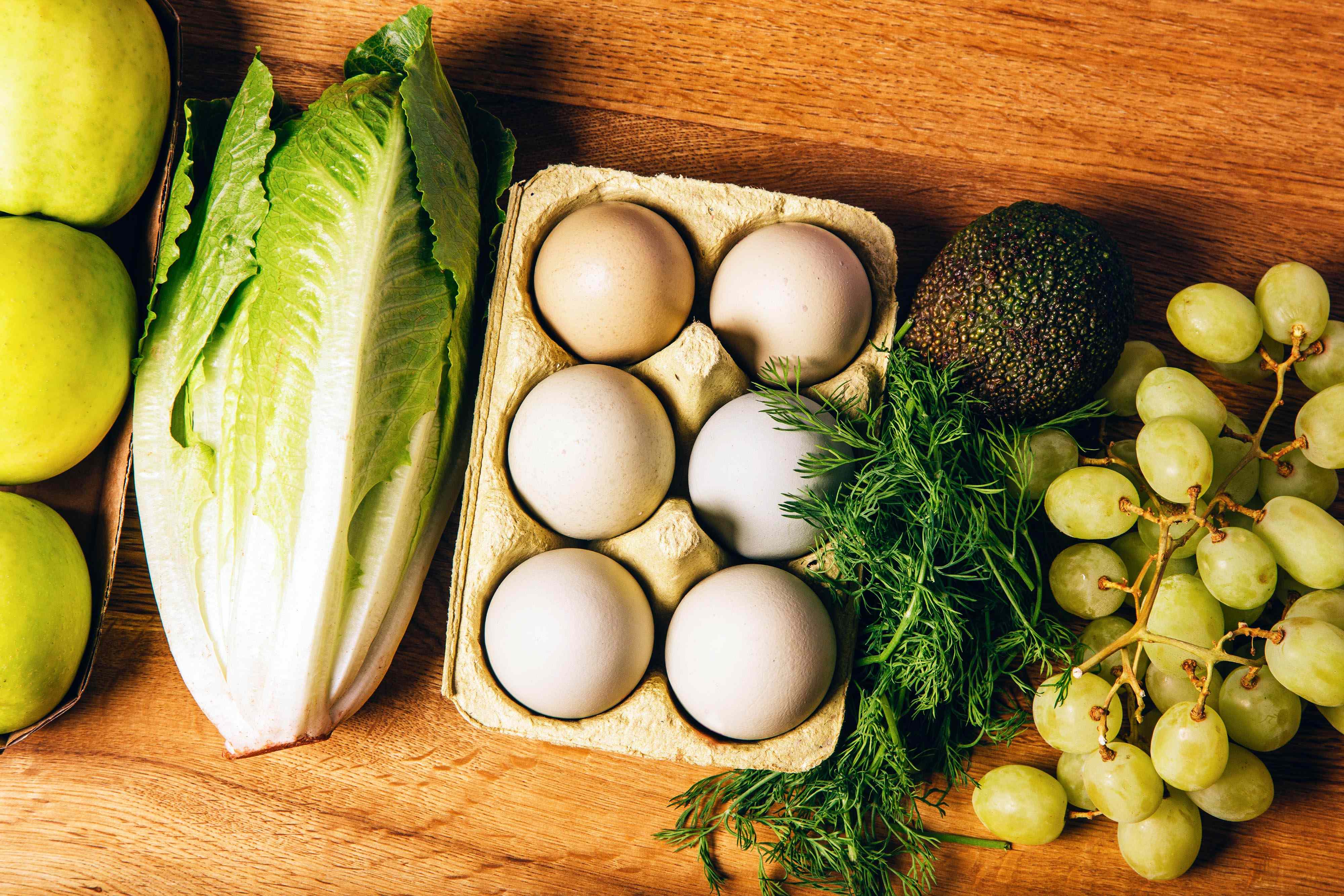
Several of the FDA’s active investigations involve fresh produce, while others are linked to eggs, soft cheese, frozen berries, and infant formula.Credit: Iuliia Bondar / Getty ImagesKey Points -
The FDA is investigating 10 active foodborne illness outbreaks, a higher-than-usual number that experts attribute to improved detection methods and a more interconnected food supply.
Two Cyclospora outbreaks linked to iceberg lettuce account for the most reported illnesses, with cases in 41 states. Michigan reports the highest number of illnesses, hospitalizations, and deaths.
The remaining FDA investigations involve Salmonella, Listeria monocytogenes, E. coli, and Clostridium botulinum. Some are linked to recalled products such as frozen blueberries, powdered infant formula, eggs, and soft cheeses, while others remain under investigation.
The cyclosporiasis outbreak has sent leafy green sales plummeting across the country and sparked renewed interest in food safety. While cyclosporiasis cases linked to iceberg lettuce continue to climb in the U.S., it’s far from the only foodborne illness outbreak under investigation by the U.S. Food and Drug Administration (FDA).
According to FDA data, there are currently 10 active investigations into foodborne illnesses across the country. That seems like a lot — and it is, according to food safety experts. However, they say there are likely a few reasons for that.
“Foodborne outbreaks have always occurred, but our ability to detect and investigate them has improved significantly over time,” says Wade Syers, DSocSci, an extension specialist in food safety at Michigan State University Extension. “Public health agencies are better able to connect cases across states and identify potential food sources than they were even a decade ago.”
Related: A Definitive Guide to Washing Your Produce
Kalmia E. Kniel, PhD, professor and chair of microbial food safety at the University of Delaware, agrees. “The majority of types of illnesses transmitted by foods are now detected clinically by culture-independent tests (CIDT),” she says. That means when healthcare providers try to figure out what’s behind a patient’s diarrhea, vomiting, or other potential symptoms of foodborne illness, they may order this test. The results can give patients and providers more information about what’s going on and how to properly treat it, and they can alert public health officials to foodborne illness outbreaks that are emerging. “The majority of hospitals have access to these types of tests,” Kniel says.
But the rise in cases is likely more complicated than that, according to Darin Detwiler, author of Food Safety: Past, Present,and Predictions and a professor at Northeastern University. “Our food system has become increasingly interconnected,” he says. “A single contamination event can affect products distributed across dozens of states within days, making outbreaks appear larger and more visible than in the past.”
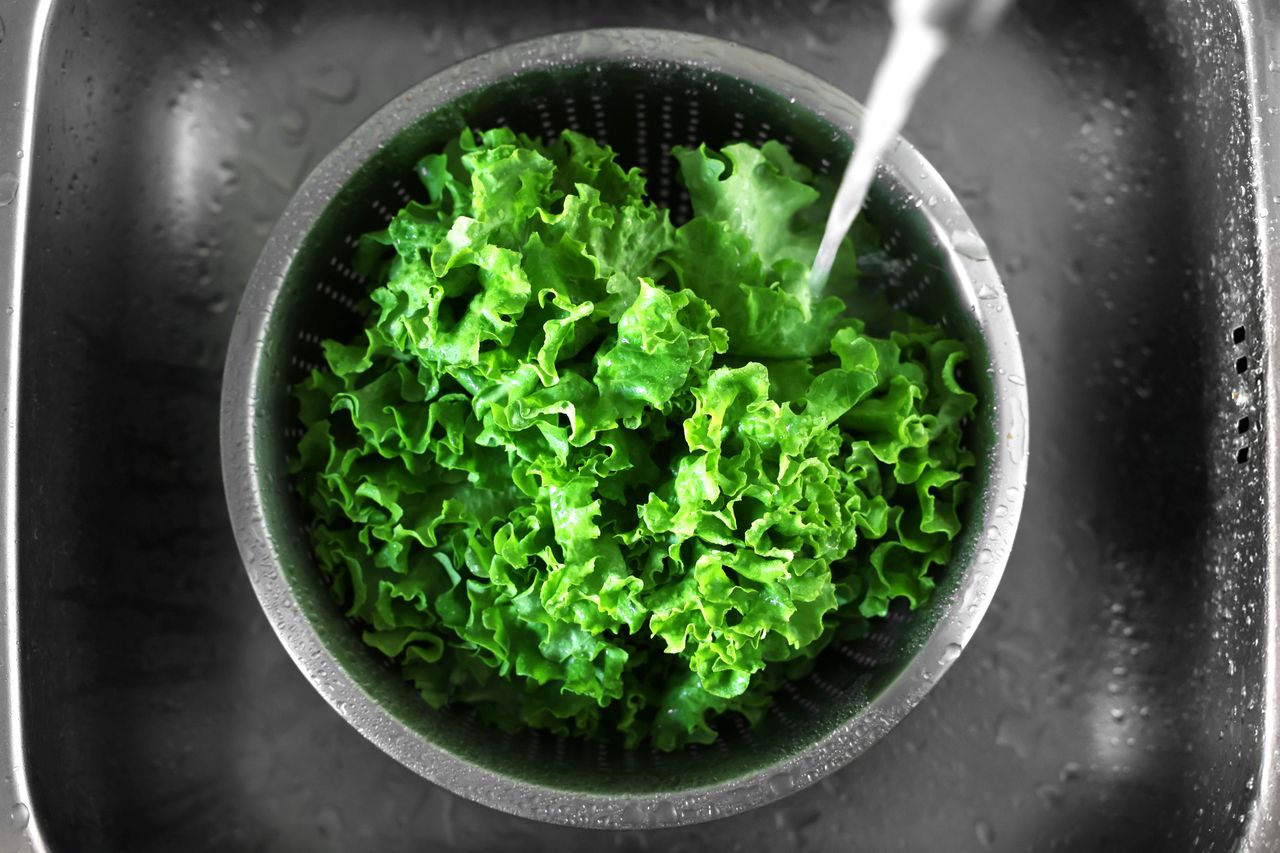
Food safety experts say everyday habits—including washing produce, refrigerating perishables promptly, and following recall notices—can help reduce the risk of foodborne illness.Credit: Liudmila Chernetska / Getty Images
Problems can quickly become widespread before anyone is aware, given the many opportunities for food to become contaminated before it reaches a grocery store or restaurant, Detwiler says. “Problems often originate on the farm or during harvesting, washing, processing, or distribution,” he says. “When failures occur early in the supply chain, they can spread widely before anyone recognizes that people are becoming ill.” As a result, outbreaks often span multiple states, involve more consumers, and require more complex investigations than in the past, Detwiler says.
Related: Do You Need to Wash Bagged Lettuce?
But Detwiler says it’s “concerning” that so many outbreak investigations are active at the same time. “While there is always some level of ongoing foodborne illness surveillance, the number of concurrent investigations appears higher than many experts would consider typical,” he says. Kniel says the number of ongoing outbreaks is “not common,” but adds that this has happened before.
The FDA’s 10 active foodborne outbreak investigationsTwo Cyclospora outbreaks (iceberg lettuce)
Cyclospora, the parasite that causes the diarrheal illness cyclosporiasis, has dominated headlines in the U.S. for weeks. According to the Centers for Disease Control and Prevention (CDC), cyclosporiasis is an intestinal infection caused by the parasite Cyclospora cayetanensis. It can cause “explosive,” watery diarrhea that can last for weeks if left untreated.Public health officials still don’t know exactly what’s driving this outbreak, but it appears to be linked to lettuce supplied by Taylor Farms de México. The FDA initially reported that Taylor Farms’ lettuce tested positive for Cyclospora, prompting the company to recall the affected product. However, the FDA later its statement, calling the result a “false positive,” increasing consumer confusion.
The outbreak initially focused on lettuce distributed to Taco Bell locations across nine states:
Illinois
Indiana
Kansas
Kentucky
Michigan
Ohio
Oklahoma,
Pennsylvania
West Virginia
Cases have been reported in 41 states. Michigan has the most cases and is currently reporting 11,234 illnesses, according to the Michigan Department of Health and Human Services. As of July 30, 193 people have been hospitalized in the Michigan outbreak, and two have died.
The Ohio Department of Health reports 4,013 cases, making Ohio the state with the second-highest case count. The FDA has two ongoing Cyclospora outbreaks tied to lettuce — from July 15 and July 22.
Advertisement
Salmonella Javiana (unknown source)
There is still much unknown about this Salmonella outbreak. It was first reported on July 23 and has led to 212 cases so far. While the FDA has begun traceback and testing related to the outbreak, the agency has not shared additional details or the foods under investigation. It’s also unclear which states have seen cases.
According to the CDC, Salmonella infections typically cause diarrhea, fever, and stomach cramps. Previous outbreaks of Salmonella Javiana have been linked to fresh produce and contaminated water.
Listeria monocytogenes (unknown source)
This outbreak was first reported on July 22. Since then, the case count has risen from eight to nine. The FDA has started sampling to identify a source but has not found a cause. It’s not clear which states are affected. According to the CDC, Listeria monocytogenes is a bacterium that causes listeriosis, a potentially serious and fatal infection. Symptoms can include diarrhea and vomiting, or a flu-like illness and seizures.
Cyclospora (unknown source)
This outbreak was listed on July 8, with the FDA noting that the cause remains unidentified. It’s unclear which states are affected. So far, 10 cases have been detected. The FDA did not indicate whether this will eventually be linked to the Cyclospora outbreak tied to iceberg lettuce or whether it’s a separate outbreak.
Salmonella Oranienburg (unknown source)
The FDA first reported cases of Salmonella Oranienburg on July 8. The cause remains unknown, and the case count has risen from 81 to 90. It’s unclear which states have been affected. Salmonella Oranienburg is a strain of Salmonella that can be found in poultry, produce, seafood, eggs, and more. Like other Salmonella infections, it can cause diarrhea, vomiting, and stomach cramps, according to the CDC.
E. coli O145:H28 (frozen blueberries)
On July 29, Publix recalled all lots of Greenwise Organic Frozen Whole Blueberries and Whole Mixed Berries due to concerns about E. coli O145:H28 contamination, which can cause severe stomach cramps, diarrhea, fever, nausea, and vomiting, according to the FDA. The recalled products were shipped to Publix locations in eight states:
Alabama
Florida
Georgia
Kentucky
North Carolina
South Carolina
Tennessee
Virginia
Clostridium botulinum (powdered infant formula)
On June 13, Nara Organics recalled all lots of its Nara Organics Whole Milk Organic Powdered Infant Formula due to concerns about Clostridium botulinum contamination. The bacterium can cause infant botulism, which can lead to symptoms like constipation, poor feeding, difficulty swallowing, and difficulty breathing, potentially resulting in respiratory arrest. If left untreated, infant botulism can be fatal.
The formula was sold at Target stores and on Target’s and Nara’s websites. Three cases were reported in these states:
California
Washington
Pennsylvania
Salmonella Enteritidis (eggs)
This recall was first reported on June 10 and later expanded. On July 22, Midwest Poultry Services, L.P. recalled nearly 1.6 million cases of dozen white-shell eggs and brown cage-free shell eggs produced in Texas due to potential Salmonella Enteritidis contamination. Salmonella Enteritidis can cause bloody diarrhea, vomiting, and stomach cramps. If the infection spreads to the bloodstream, it can cause cardiac complications and arthritis, according to the FDA.
No illnesses were reported in connection with the recall. The eggs were sold to shoppers at Kroger and Brookshire Grocery stores in the following states:
Arkansas
Louisiana
Mississippi
New Mexico
Oklahoma
Texas
Listeria monocytogenes (soft cheese)
This Listeria monocytogenes outbreak was first reported on June 3. According to the FDA, 12 people were sickened across Maryland, New York, Virginia, and Illinois. Of those, 10 were hospitalized and one died. The discovery of the outbreak prompted Clover Hill Dairy to recall all of its cheese products on June 18 and La Ceiba Foods Latin Market to recall its Requeson Salvadoreño and Requeson Mexicano cheese products on June 29. These products were marketed under the La Colonia and Selectos Latanios brands. The cheeses were sold in these states:
Maryland
New Jersey
New York
North Carolina
Virginia
Washington, D.C.
How to protect yourself during foodborne outbreaks
Even with multiple foodborne outbreak investigations underway, experts say the basic rules of food safety haven’t changed. While consumers can’t control what happens earlier in the food supply chain, they can take simple steps at home to help reduce their risk of illness. “Consumers cannot eliminate every risk, but they can significantly reduce many of them,” Detwiler says. Here are the food safety habits experts recommend keeping top of mind.
Practice good hand hygiene. That means washing your hands thoroughly before and after handling food.
Wash your produce. Rinsing it under running water should help.
Refrigerate perishable foods as soon as you can. Otherwise, you run the risk of pathogen growth.
Clean your fridge and freezer. These can harbor pathogens that can transfer to other foods. Throw away spoiled food and clean the interior thoroughly with soap and water.
Follow recall notices. The FDA maintains a running list of active foodborne illness outbreaks, but your local health department often has more up-to-date information.
on Food & Wine
Source: “AOL Breaking”
