


Volunteers Dug Up 1,000 Clues Beneath a Church. They Rewrite Medieval Christian History.
Volunteers Dug Up 1,000 Clues Beneath a Church. They Rewrite Medieval Christian History.

Tim NewcombTue, October 6, 2026 at 1:30 PM UTC
18
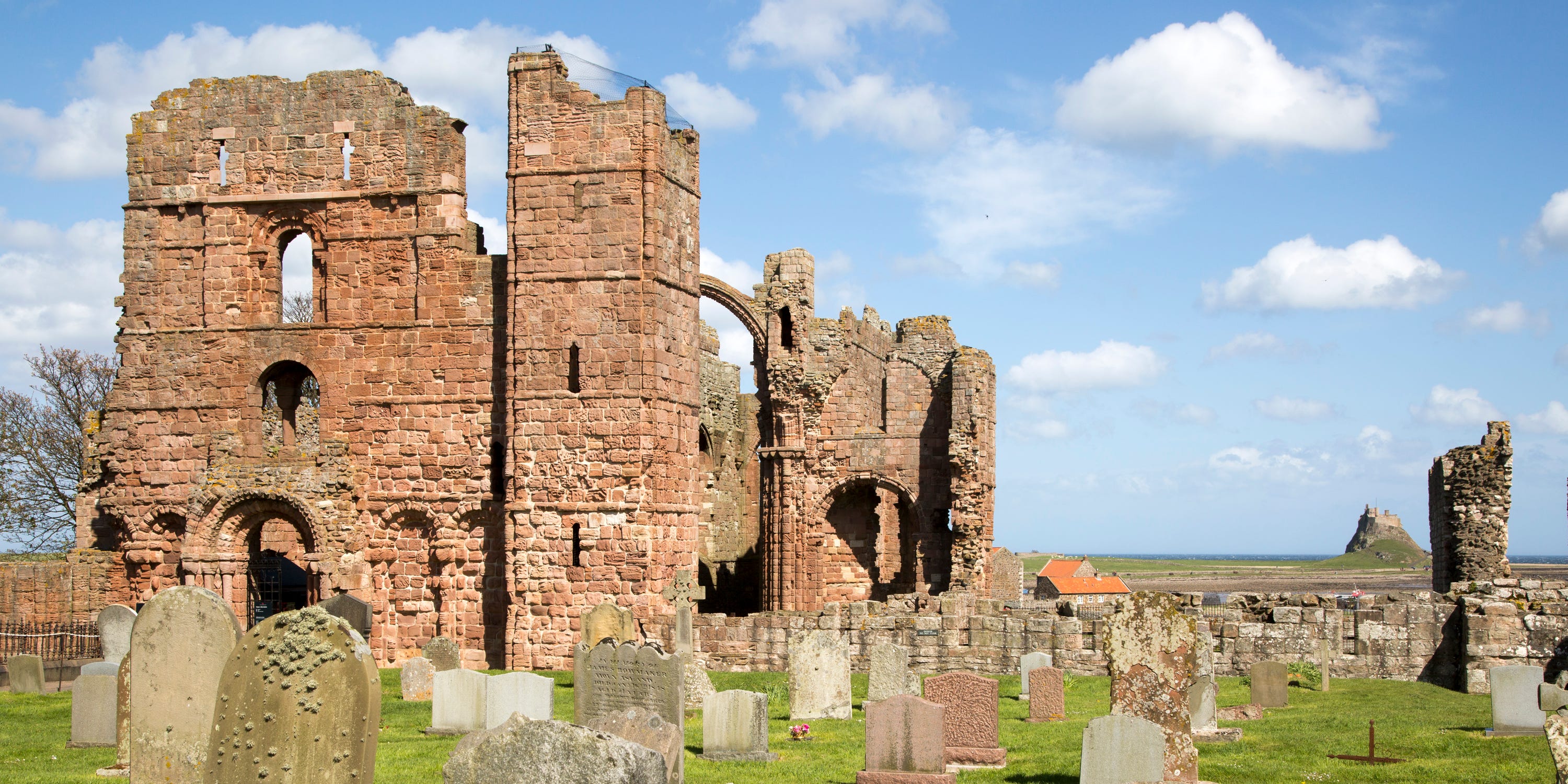
An Island Dig Just Rewrote Early Christian HistoryGeography Photos - Getty Images
Here’s what you’ll learn when you read this story:
A group of residents of the Scottish island of Lismore just embarked on an archaeological mission that’s rewriting history.
After raising funds to excavate near a monastic settlement, the volunteers and professionals found evidence of a richer history than previously known.
A monastery dedicated to Saint Moluag may have had regional influence during the rise of Christianity in northern Britain.
Tiny Lismore has a history worth celebrating. Some of the Scottish island’s 190 residents believed it, so they cobbled together enough money through donations and grants to hire a professional archaeologist to explore the island’s monastic past. Even they were surprised at what was discovered.
Excavations revealed an early medieval cemetery, sophisticated craftwork of international importance (in both precious metals and wood), and early structures centered around the island’s parish church.
“These discoveries underscore the site’s status as a high-ranking ecclesiastical center of the Insular northwest and elucidate its significance and integral role within the early Christian networks of Dál Riata,” wrote the authors of a study on the finds published in the journal Antiquity, “offering insights into the material traces of early medieval monasticism in northern Britain in the first millennium [C.E.].”
Lismore’s historical records indicated a monastic settlement from the sixth century C.E., likely created when missionaries from Ireland moved into northern Britain. But beyond a few notes in historical texts, there wasn’t much physical evidence. That wasn’t good enough for the locals, who formed a historical society and went to work raising money to excavate what turned out to be a medieval cathedral.
The excavations uncovered a burial ground surrounded by a clay-bonded limestone wall, decorated stonework, and early buildings. “We were [excavating] in this really unfavorable, boggy area,” said Robert Hay, the volunteer coordinator on the project, according to The Guardian. “To be digging out the best small crucibles ever found in Scotland—it’s extraordinary. The most exciting moment for me was when they were doing the post-excavation analysis and they found that they had been melting gold, copper, silver, and they were making jewelry on our little island in the seventh century.”
Advertisement
The excavations revealed over 1,000 pieces of metalworking debris, including gold and silver crucibles and casts for making brooches.
It’s all quite new for Lismore, named after the Lios Mór monastery. Instead of representing a forgotten island church, the presence of metalworking and woodcraft suggests a center of wealth and artistic sophistication, like other monastic sites in the region, according to the authors of the study in Antiquity. Saint Moluag was one of the Irish missionaries who crossed into northern Britain in the sixth century, founding churches in the kingdom of Dál Riata as Christianity took root there. He had a larger impact in the region than anyone understood.
The authors can’t conclusively date every feature to Moluag’s era, but the burial practices align with sixth- and seventh-century customs, pointing to a “thriving monastic community with regional and possibly supra-regional influence.”
“The finds strengthen the notion that the parish church is located on the site where Moluag established a church in the sixth century,” the authors wrote.
“This was clearly a really important early Christian establishment,” said Gordon Noble, an archaeology professor at the University of Aberdeen. “We know about sites like Iona having these very famous monastic sites from this early medieval world. But apart from the association with Moluag and a piece of sculpture from this site, we knew practically nothing really about Lismore. So, it was hugely exciting to see the results emerging through the local group’s work.”
You Might Also Like
20 Cars That Were Massively Improved by a Redesign
Going on Vacation? These Appliances Need to Be Unplugged Before You Leave the House
Roborock Reigns Supreme for Robot Vacuums, but We Also Loved These Other Models
Source: “AOL Breaking”
